Force Free Positive-Reinforcement Training
You can skip the stress on your dog and avoid the environments that may be precarious for your dog's health. We will train in our near your home- whichever your preference.
Your dog will have unique, personalized sessions with an expert dog trainer, ensuring that training sessions are tailored to your needs and your dog's specific requirements.
Dog behavior modification involves techniques to change undesirable behaviors through training and environmental management. We eliminate behaviors such as house soiling, leash pulling, jumping on people, reactivity or aggression towards dogs or people, fear, anxiety, and more.
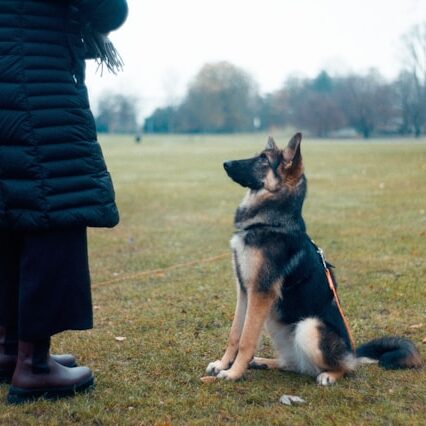
Basic training focuses on essential commands, such as walking on a leash without pulling and the "heel" command. Sit, stay, down, and come, while advanced training builds upon basic and enhances these skills (including performing them off leash and with distractions).
Service 01
Housebreaking
You shouldn't have to live around your dog's accidents.
Housebreaking is one of the first — and most important — challenges new dog owners face. When it's not going well, it affects everything: your stress levels, your floors, your relationship with your dog, and your confidence as an owner. The good news? With the right approach, it's one of the most solvable problems in dog training.
Who this is for
This service is for puppies and adult dogs who have not yet established a reliable bathroom routine — or who have regressed after a change in environment, schedule, or household. It's also for owners who have tried on their own and hit a wall.
What's included
- A customized housebreaking plan built around your home, your routine, and your dog's age and biology
- Hands-on coaching in management techniques that prevent accidents before they happen
- Clear guidance on how to read your dog's signals and respond consistently
- A written summary of your dog's plan after every session so nothing gets lost
What to expect
We don't just hand you a schedule and wish you luck. We work with you in your home — where the behavior is actually happening — to identify what's going wrong and build a routine that works for your real life. Every session builds on the last. You'll leave each one knowing exactly what to do and why.
The outcome
A dog who understands where and when to go — and a household that no longer revolves around watching the floor. Most clients see meaningful improvement within the first two to three sessions when they follow the plan consistently.
Service 02
Leash Pulling
Walks should be something you both look forward to.
If every walk feels like a battle — your dog lunging ahead, you yanking back, neither of you enjoying it — you're not alone. Leash pulling is one of the most common complaints dog owners have, and in a city like New York, where your dog is on leash for virtually every outing, it's also one of the most important to solve.
Who this is for
Dogs of any age who pull, drag, zigzag, or make walking feel like a workout you didn't sign up for. Also for owners who've tried corrections or equipment fixes (prong collars, harnesses, retractable leashes) and found them either ineffective or unsustainable.
What's included
- Introduction to loose-leash walking fundamentals using positive reinforcement
- Real-time coaching on body mechanics, timing, and reward delivery
- Strategies tailored to the specific distractions your dog faces — other dogs, people, food on the ground, traffic
- A written session summary with homework to practice between appointments
What to expect
We work in your actual walking environment — your block, your park, your building hallway — because that's where the behavior needs to change. You'll practice the skills live with your dog and coaching in the moment, not just hear about them in theory. Progress is visible within sessions, and owners typically notice a real shift within three to five sessions of consistent practice.
The outcome
A dog who walks beside you with a loose leash and attention to spare — and walks that feel like quality time instead of damage control.
Service 03
Dog Reactivity and/or Aggression
Reactivity is not a character flaw. It's a communication problem — and it can be changed.
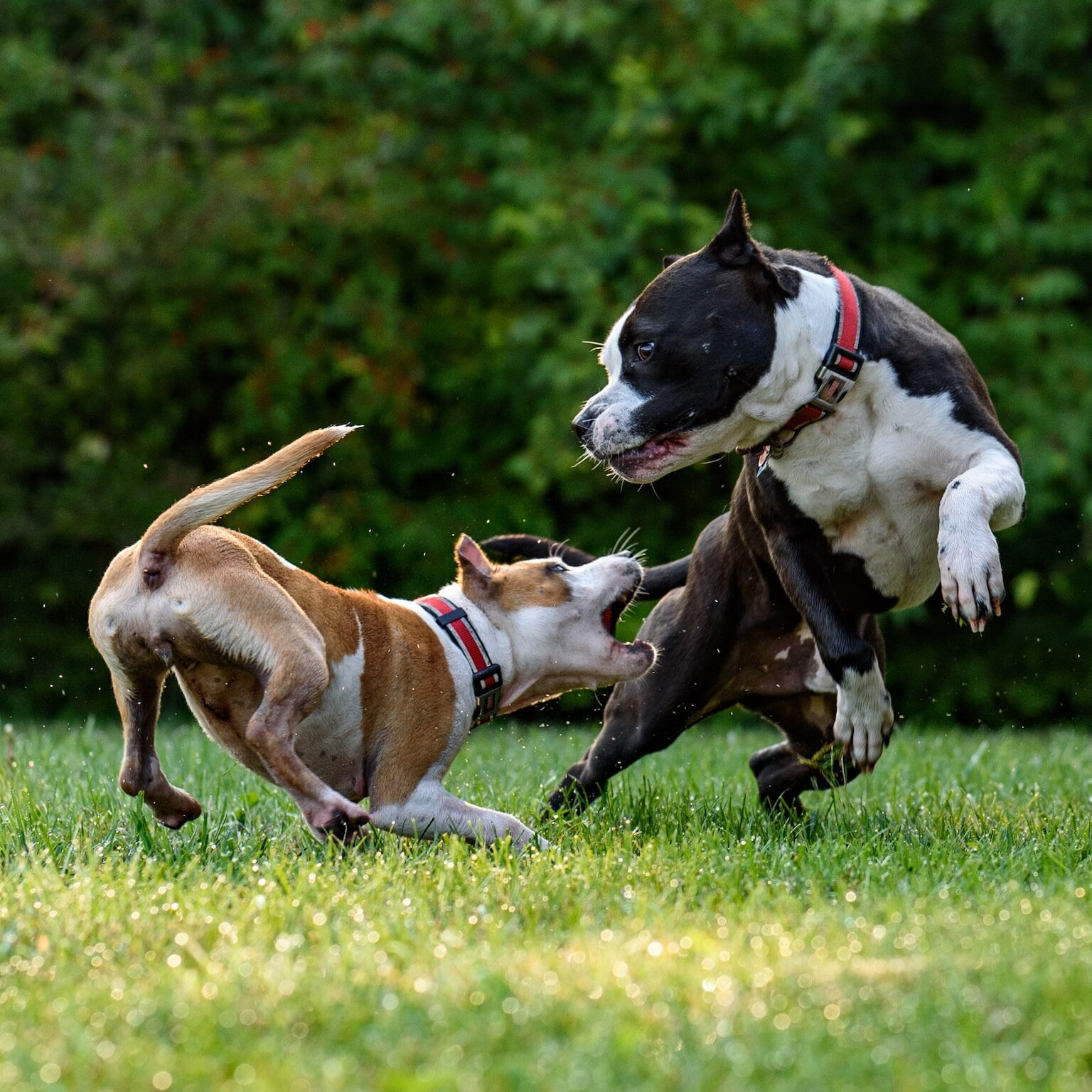
If your dog barks, lunges, or goes over threshold at the sight of another dog, you already know how isolating it feels. You avoid certain routes. You cross the street. You stop going to the park. Your dog isn't "bad" — they're overwhelmed, and they've learned that reacting makes the scary thing go away. Our job is to change that equation entirely.
Who this is for
Dogs who display reactive or aggressive behavior toward other dogs — on leash, at the door, or in other contexts. This service is appropriate for dogs across a wide range of severity, from mild on-leash reactivity to more significant aggression. An initial behavior assessment determines the right starting point and approach.
What's included
- A behavior modification plan using scientifically validated methods — primarily desensitization and counter-conditioning
- Systematic threshold-based training: we work below your dog's trigger point and build tolerance gradually and safely
- Handler coaching so you understand your role in the dynamic and how your responses affect your dog's behavior
- Written session notes and a clear progression plan so you always know where you are and what comes next
What to expect
This work takes time. We won't promise overnight results, because real behavior change — the kind that holds up on a Tuesday morning in a busy intersection — requires patience and repetition. What we will promise is a clear plan, honest progress tracking, and no shortcuts that trade short-term compliance for long-term fallout. Most clients begin to see measurable change in threshold and emotional response within four to six sessions.
The outcome
A dog who can exist in the presence of other dogs without going over threshold — and an owner who knows how to read their dog, respond effectively, and continue building on the progress made together.
Service 04
Reactivity (Other Triggers)
New York City is full of triggers. Your dog can learn to handle it.
Bikes, skateboards, joggers, buses, construction noise, strollers, crowds — city life throws a constant stream of stimuli at dogs who weren't necessarily built for it. When your dog reacts explosively to any of these, daily life becomes a management exercise. We help you move beyond management to lasting change.
Who this is for
Dogs who react to triggers other than dogs — including people, vehicles, sounds, fast-moving objects, or environmental stimuli. Also for dogs who are generally anxious or overstimulated by city environments and need support building confidence and resilience.
What's included
- A customized desensitization and counter-conditioning plan targeting your dog's actual trigger hierarchy
- In-environment training — we go where the triggers are, at the right distance and intensity for where your dog is today
- Handler education: how to set your dog up for success, how to read early stress signals, and how to respond in the moment without escalating
- Session-by-session written notes and a clear progression roadmap
What to expect
The outcome
Service 05
Separation Anxiety
Separation anxiety is one of the most misunderstood — and most treatable — conditions in dogs.
If your dog panics when you leave, the consequences ripple out in every direction: destroyed furniture, noise complaints from neighbors, a dog who can't be left alone for even a few minutes, and an owner who feels trapped. This is not about dominance, spite, or a "velcro dog" who just needs to toughen up. Separation anxiety is a genuine panic disorder, and it requires a genuine treatment protocol.
Who this is for
Dogs who show signs of distress when left alone — including vocalization, destruction, elimination, escape attempts, refusal to eat, or excessive salivation. Also for owners who have tried crating, ignoring the behavior, or gradual departures without a structured protocol and seen no improvement.
What's included
- A systematic, evidence-based desensitization protocol — the same approach used by certified separation anxiety specialists
- Departure exercises that start at the threshold where your dog is calm and build duration gradually and sustainably
- Guidance on what to do — and what not to do — between sessions, because the wrong actions can set progress back significantly
- Ongoing check-ins and plan adjustments as your dog moves through the protocol
What to expect
This is one of the more time-intensive behavior issues to address, and we will be honest with you about that from the start. Progress is real, but it is incremental. Virtual sessions are particularly effective for separation anxiety work, because we can coach you through real departure exercises in real time — watching your dog's response and adjusting on the spot. Most clients see meaningful increases in alone-time tolerance over six to ten sessions, with continued improvement as the protocol progresses.
The outcome
A dog who can be left alone calmly — and an owner who can leave the house without guilt, anxiety, or dreading what they'll come home to.
Service 06
Excessive Barking
Barking has a reason. Find the reason, solve the problem.
Every bark means something. Boredom, alerting, frustration, anxiety, attention-seeking, reactivity — the cause determines the solution, and a one-size-fits-all fix rarely works. Our approach starts with understanding why your dog is barking before prescribing anything.
Who this is for
Dogs who bark excessively in any context — at the door, out the window, at sounds, at people, at other dogs, at nothing you can identify, or simply to get attention. Particularly relevant for NYC apartment dogs where barking affects neighbors and building relationships.
What's included
- A tailored intervention plan based on the specific cause — which may include impulse control training, environmental management, enrichment strategies, desensitization, or a combination
- Hands-on coaching in the techniques relevant to your dog's case
- Guidance for every person in the household, because consistency across the board is non-negotiable
- A written plan and session summary so the work continues effectively between appointments
What to expect
The outcome
Service 07
Jumping on People
Your dog is excited to see people. Let's make sure people are excited to see your dog.
Who this is for
What's included
- Training in a reliable "four on the floor" or alternative greeting behavior using positive reinforcement
- Real-time practice with actual greeting scenarios so the behavior generalizes beyond the training session
- Clear guidance for every person who interacts with your dog — because inconsistency from even one person undermines the training
- Written session notes and a simple household protocol everyone can follow
What to expect
The outcome
Service 08
Destructive Chewing
Chewing isn't the problem. Chewing the wrong things is.
Who this is for
What's included
- A management plan to eliminate access to inappropriate targets while training is in progress
- Guidance on appropriate chew outlets matched to your dog's drive level, jaw strength, and preferences
- Enrichment strategies to address any under-stimulation contributing to the behavior
- Behavior modification if anxiety or stress is a factor, not just redirection
What to expect
The outcome
Service 09
Inappropriate Elimination
If your housetrained dog has started eliminating indoors, something has changed. Let's find out what.
Who this is for
What's included
- Recommendation to rule out medical causes before training begins — some elimination issues have a physical root that training alone cannot solve
- A customized retraining plan based on the specific cause identified
- Management strategies to prevent continued reinforcement of the behavior while training is underway
- Household guidance so that every person is responding consistently and not inadvertently undoing progress
What to expect
The outcome
Basic & Advanced Obedience Training
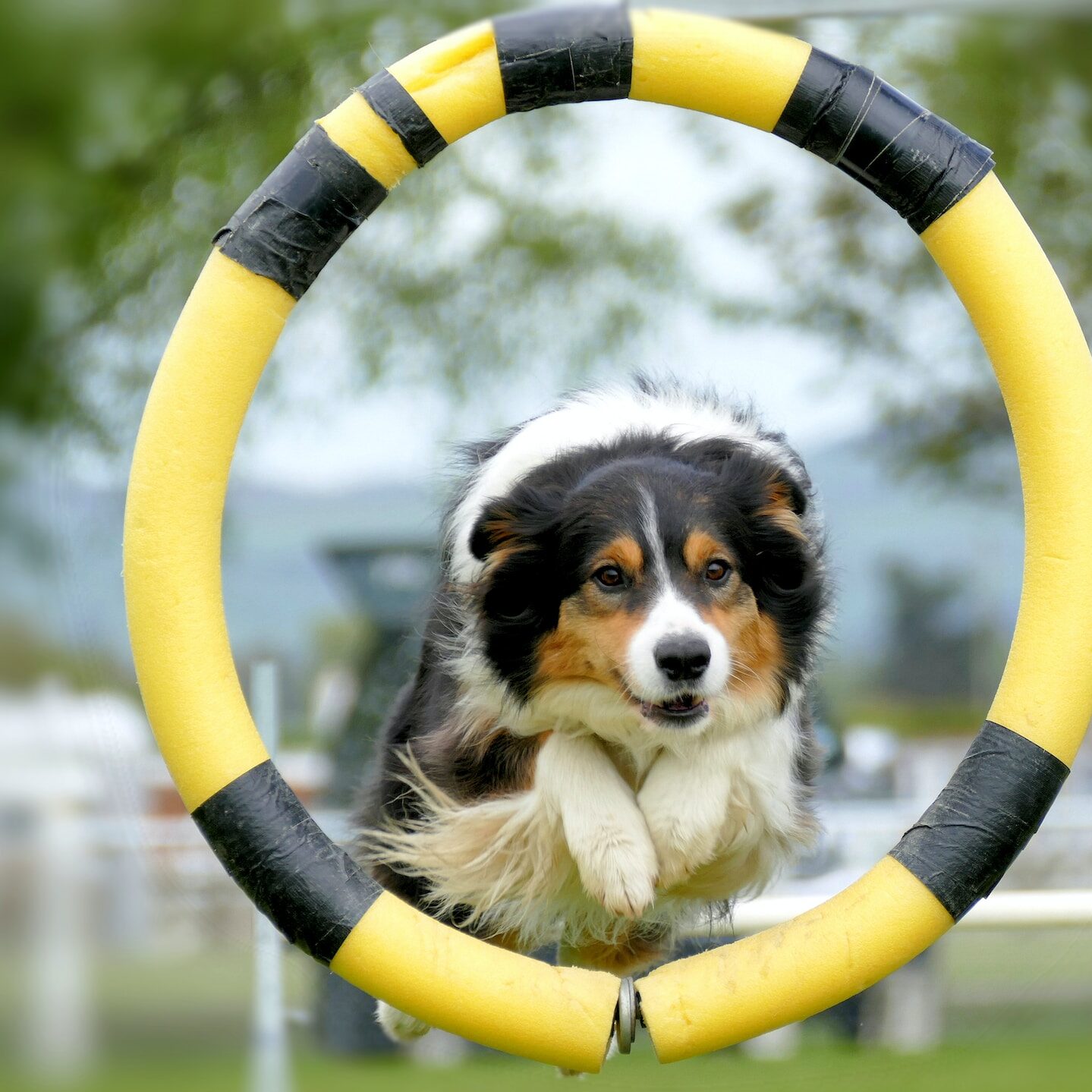
As a positive reinforcement dog training company, we offer basic and advanced obedience training, focusing on teaching fundamental obedience commands and skills. We also specialize in behavior modification, where we identify the root causes of undesirable behaviors and use positive techniques to correct them. This includes issues such as excessive barking, jumping, aggression, and other unwanted behaviors. Our primary technique for obedience training and behavior modification is clicker training, which is the most effective method for communicating with the dog through positive reinforcement.